Aitan: The Orchestration Layer for Physical AI
Every major computing shift has come with a new operating layer.
The PC era needed operating systems. The internet depended on common networking protocols. Cloud computing needed infrastructure orchestration. Now, as intelligence moves into physical machines, the next challenge is a software layer that helps those machines work together.
Autonomous drones and robots are starting to show up across defense, public safety, infrastructure, and manufacturing. As those use cases grow, the value of Physical AI will come when fleets of machines can work together.
Without swarm orchestration, scale becomes the enemy. A single autonomous machine is manageable. A fleet isn't, especially when those machines come from different vendors and can't share a common operating layer. That's a mission risk. The same logic applies to hardware choices. Organizations that lock themselves into a single vendor's stack lose the flexibility to integrate new systems as the market evolves. Get plug-and-play interoperability and fleets can scale. Get it wrong and every new machine added is a new integration problem.
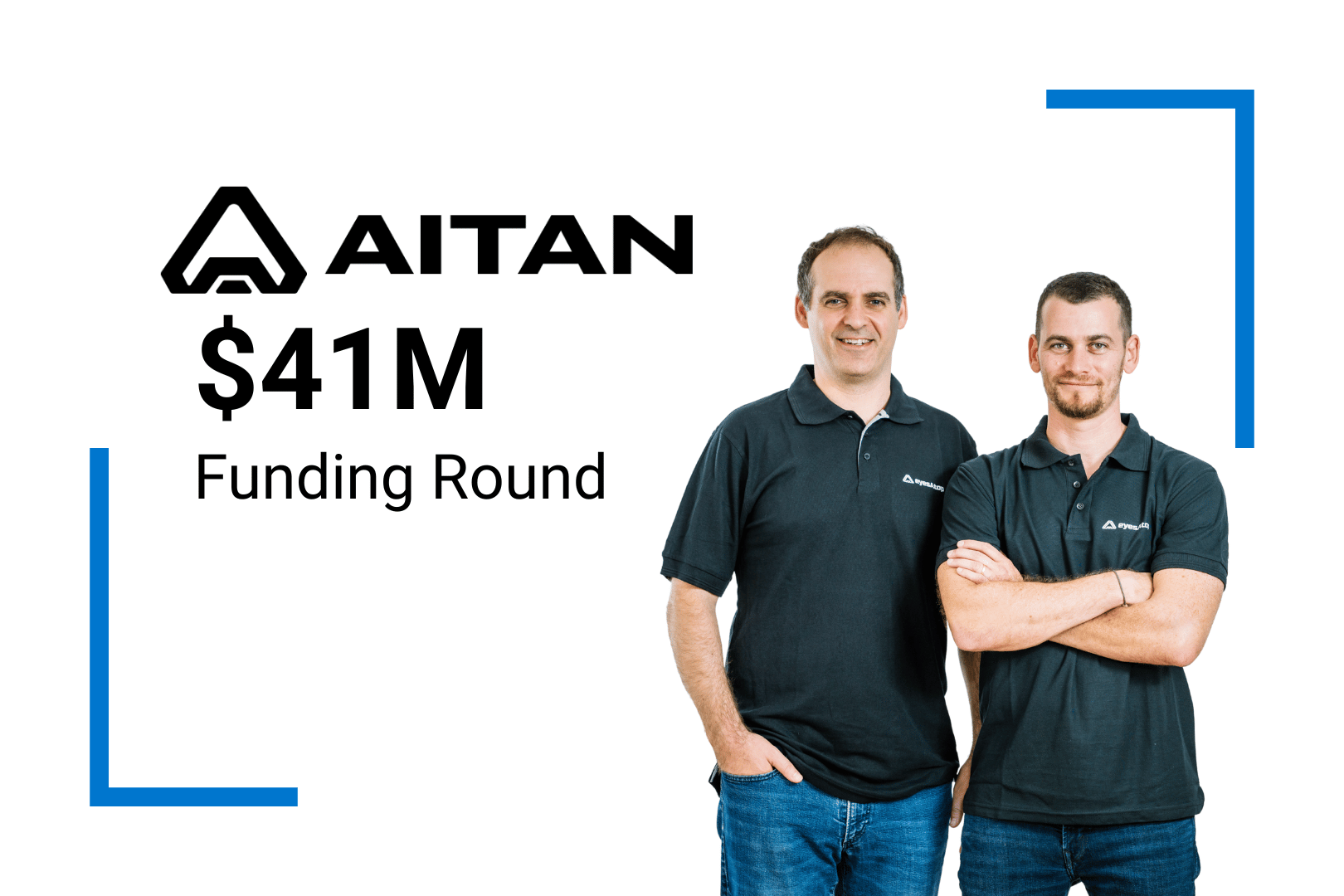
That’s the core thesis behind Aitan, a defense-focused company that we recently invested in alongside Deep33 and others. Aitan is building software infrastructure so autonomous systems can work together across large fleets, a challenge that will only become more important as Physical AI moves from experimentation to widespread use.
Aitan's unique “built in the field” advantage
Co-founders Udi Oster and Daniel Almog saw early that as autonomous systems proliferate in defense and beyond, organizations would need a way to coordinate machines from many different vendors and hardware ecosystems. Rather than building yet another drone platform, they focused on building connectivity that allows heterogeneous systems to operate together even in demanding and dynamic real-world environments.
Aitan's technology has been tested under demanding conditions, accumulating more than 500,000 operational hours while continuously evolving through feedback. That experience has helped shape a platform designed for reliable deployment and interoperability.
While the company's early adoption has come through defense and national security applications, the underlying problem they are solving goes well beyond those sectors. Whether in infrastructure, logistics, manufacturing, public safety, or defense, organizations will need to coordinate systems from multiple vendors without locking themselves into a single hardware ecosystem.
At DTC, we believe Physical AI will be one of the most important technology shifts of the coming decade. The teams that can reduce the complexity of deploying and managing autonomous systems will shape this market. Aitan is building toward that future, and we're proud to be backing them.