Welcoming Jordan Garside to DTC
I think we're at the start of a Cambrian explosion of startups as more people feel empowered to take a shot at their ideas. It's an incredible moment to be a builder and to be working in venture.
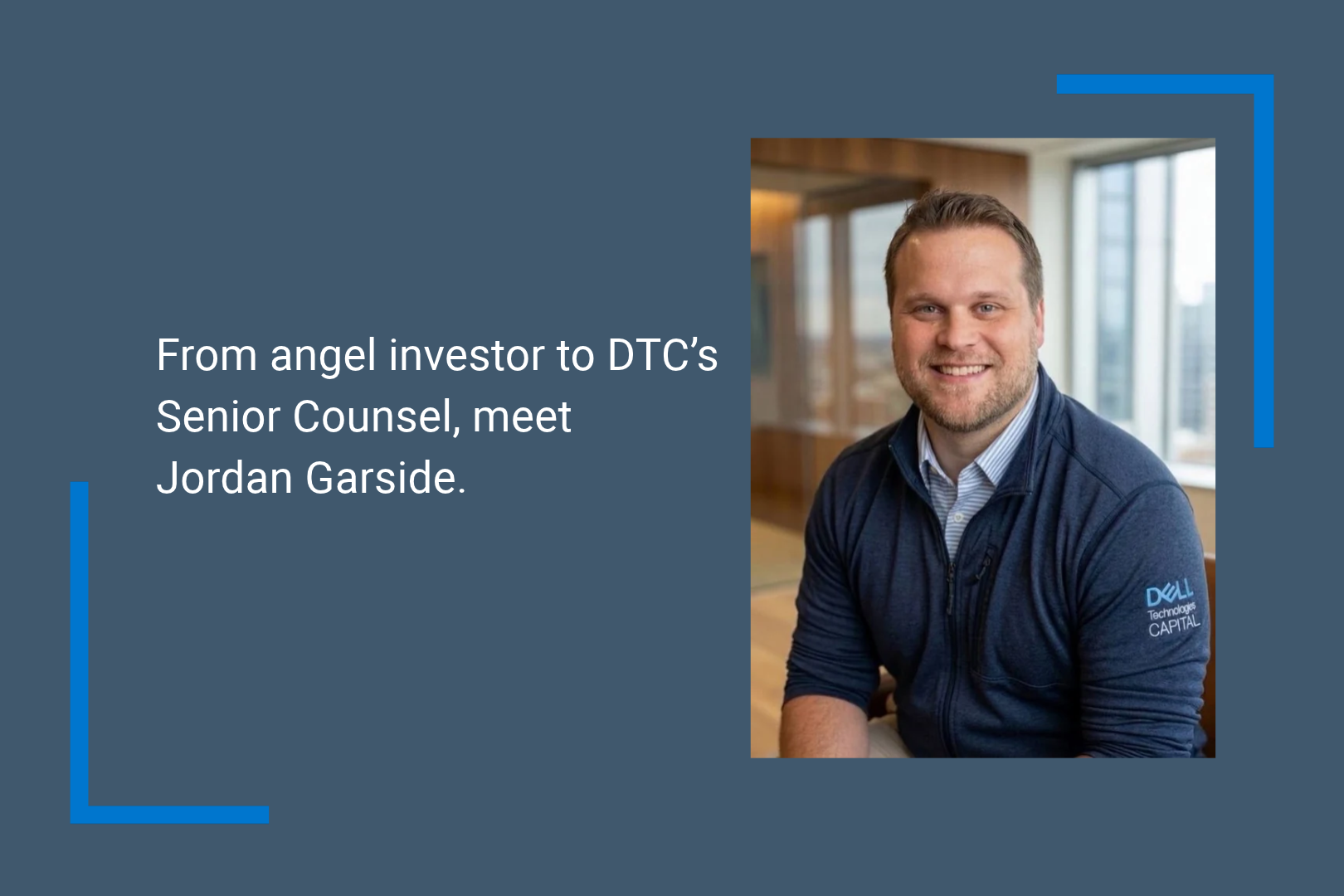
We are welcoming Jordan Garside to DTC as our senior counsel. He'll be leading the legal function for team, overseeing investment transactions, portfolio matters, fund governance, and the firm’s broader legal and compliance needs. His passion for venture began in law school and grew through years of practice and angel investing in SportsTech.
We sat down with him to hear how he found his way to VC, how AI is reshaping deals, and what advice he has for early-stage founders. Here’s our conversation.
What was your path to venture capital and what made you want to specialize in it? It started in law school at UVA. I took a class taught by a well-known emerging companies and venture capital attorney who regularly brought in founders and investors to share their experiences, and by the end of it, I knew venture was where I wanted to be. I've stayed hooked ever since. The work suits me: I'm curious and love to learn, I'm optimistic by default, I enjoy doing hard things that help others and create value, and I do my best work as part of a team chasing a shared goal. Venture checks every one of those boxes.
What's the most exciting thing about working with early-stage companies? The founders. Early-stage companies are often led by smart, driven people trying to build something that doesn't exist yet, and being alongside them is energizing. As a former walk-on-turned-team captain, I know what it means to bet on yourself, and I especially admire founders who take that same risk to achieve their goals. There's nothing I enjoy more than helping them get where they're trying to go.
Was there a moment that made you think, "This is the work I want to do"? Law school sparked the interest, but angel investing sealed it. A former Wake Forest teammate and I began investing in SportsTech companies together, and that hands-on experience, paired with the time I'd spent counseling founders and investors in private practice, made it clear this was the work I wanted to do.
What's the biggest change you've seen in venture deals over the last couple of years? How has AI changed the deals you see? Some of what we've seen is the familiar cycle: markets move between periods when capital is plentiful and founders hold the leverage, and periods when it's tighter and investors do. In addition, VCs have traditionally emphasized "value-add" investing to differentiate themselves among other investors to win the best deals and help their portfolio. The AI era adds a new dimension to these traditional dynamics. The best founders want to know what else you bring to help them succeed in the AI era, whether that's access to compute or similar constrained supply, help with sales, or support going to market, all of which require deep connections across the AI ecosystem.
That's where DTC stands out. We can offer real help on GTM, compute and beyond, and our platform is inspired by Michael Dell, one of the most successful entrepreneurs and technologists of the modern era.
AI is also reshaping who gets to build. With barriers to entry falling fast, founders can accomplish more with fewer resources, and lean teams can go head-to-head with much larger ones. I think we're at the start of a Cambrian explosion of startups as more people feel empowered to take a shot at their ideas. It's an incredible moment to be a builder and to be working in venture.
Which terms are founders and investors negotiating harder on now? Regardless of whether capital is abundant or scarce, nearly every venture negotiation ultimately comes down to economic and governance considerations. Nowadays, at the early stage, there's a lot of energy being spent around building positions in the most compelling startups: founders want to allocate ownership to the investors who can truly move the needle, while investors want to own as much of these potential rocket ships as they can. At the later stage, with valuations climbing quickly in some of the most competitive sectors, we're seeing growth investors push for terms that protect their downside, like redemption rights and minimum return thresholds. Founders and early-stage investors like DTC need to weigh those terms carefully, since they can meaningfully affect everyone else on the cap table.
What's the one legal thing early-stage founders should get right from day one, and what's the most common mistake you see? Do it right from the start. Shortcuts taken early tend to become expensive problems later.
The most important step is sitting down with your co-founders at the outset and agreeing on how equity will work, including vesting. Those conversations are easy on day one and only get harder and messier with time. Get your equity allocations (and vesting schedules) buttoned up early so they don't come back to bite you. You’d be surprised how people can resurface in a liquidity event claiming that they own a piece of your precious startup.
And treat your investor relationships like any other important relationship: they work best when built on trust and transparency. So, don’t be afraid to ask questions as you navigate your founding journey, whether that’s negotiating an investment, preparing for your first enterprise sale, or navigating a liquidity event. When we decide to invest in you, we are all on the same team.